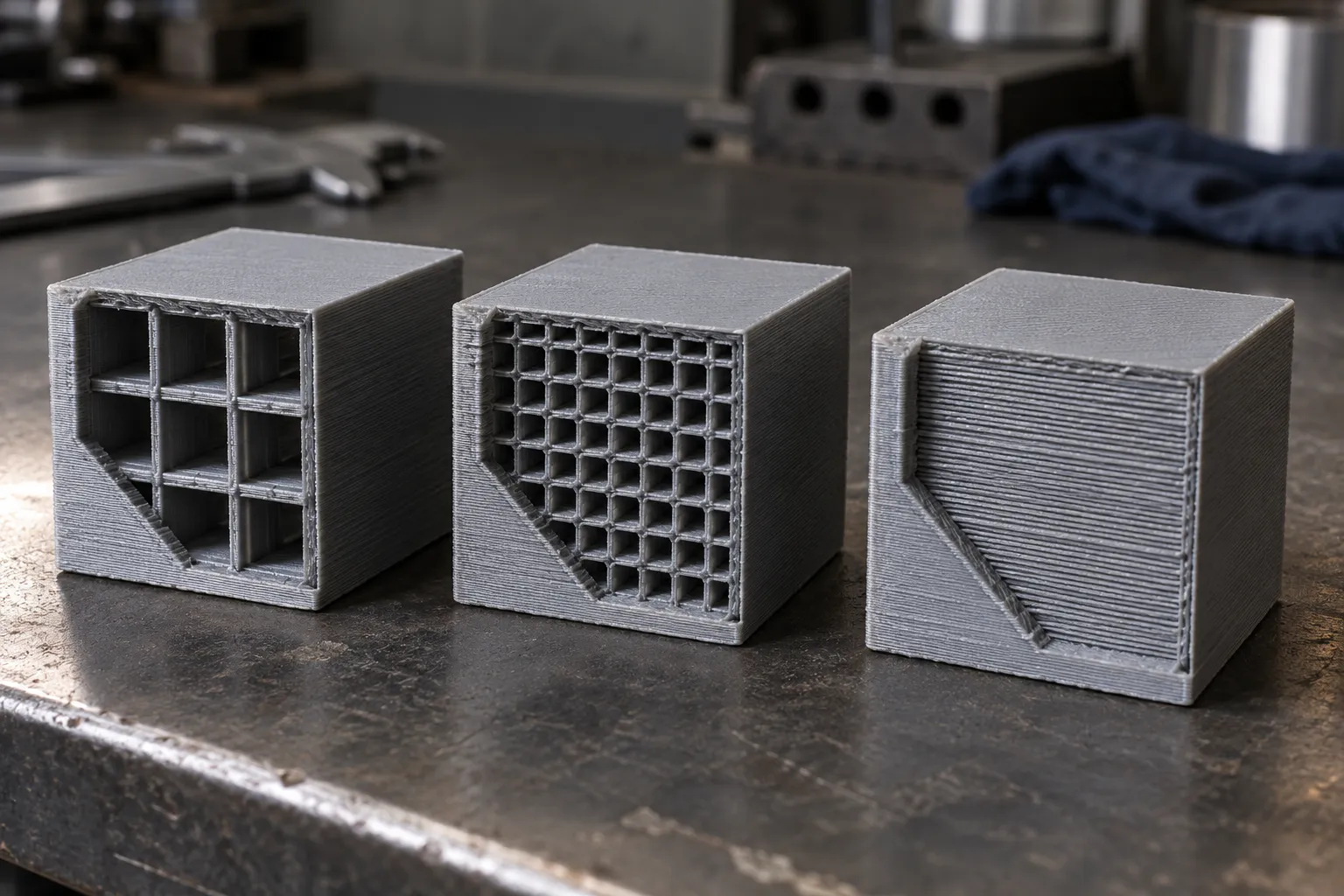
Layer-based processes can respond differently to loads in different directions. Removing supports may also change a functional surface. Orientation should be agreed alongside material and process rather than left as an invisible production assumption.
Practical checks
- Mark the functional faces and important dimensions on the model or drawing.
- Describe the direction and type of loading rather than only requesting a strong part.
- Review support access, trapped material and surfaces that need finishing.
- Plan a trial or test where assembly or service performance is uncertain.
Record the finding against the actual part, machine or drawing revision. A useful check identifies both the observation and the conditions under which it was made, so another person can review it.
Common mistakes to avoid
- Do not assume that a printed material behaves like its moulded counterpart.
- Do not place a critical mating face on heavy supports without reviewing the finish.
What to collect before a review
- CAD model
- Application and load direction
- Critical faces, quantity and process preference
Send clear original files where available. Mark uncertain dimensions, missing information and the result you need. Separate confirmed requirements from assumptions instead of filling the gaps with guessed specifications.
The next decision
Choose orientation with the service requirement in view. Use prototypes to verify the assumptions before treating a printed component as a production substitute.
Discuss this requirement
Crecer Grande can review the information you already have and confirm the feasible scope, evidence needed and commercial next step.
Send your requirement → Browse the libraryGeneral engineering guidance; equipment instructions and the applicable drawing or specification govern the actual work.