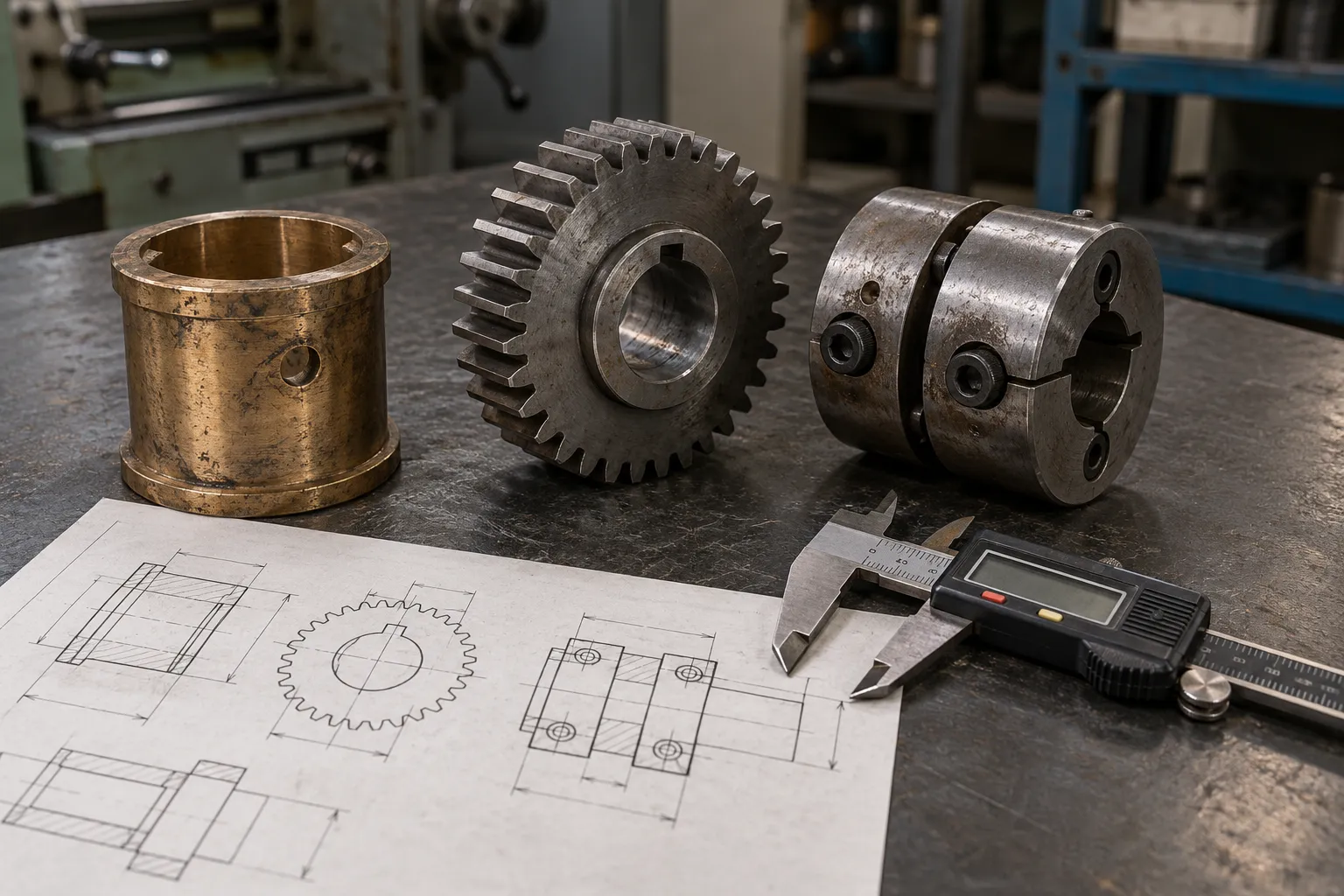
An obsolete seal, controller interface or custom shaft can cause a long stoppage even when it rarely fails. Good records and verified alternatives may reduce risk without requiring a large store of every component.
Practical checks
- List the functions whose loss stops production or creates a consequential risk.
- Record exact part numbers, interfaces and supplier lead times.
- Check whether an alternative is technically approved or only visually similar.
- Plan storage, shelf-life checks and replenishment responsibility.
Record the finding against the actual part, machine or drawing revision. A useful check identifies both the observation and the conditions under which it was made, so another person can review it.
Common mistakes to avoid
- Do not treat a quotation for a similar part as approval of interchangeability.
- Do not ignore seals, batteries or other stored items that can deteriorate before use.
What to collect before a review
- Equipment list and downtime history
- Existing spare identifiers
- Lead times and approved alternatives
Send clear original files where available. Mark uncertain dimensions, missing information and the result you need. Separate confirmed requirements from assumptions instead of filling the gaps with guessed specifications.
The next decision
Prioritize the stock and documentation that reduce the most consequential downtime. Review the plan after equipment changes, failures and supplier obsolescence notices.
Discuss this requirement
Crecer Grande can review the information you already have and confirm the feasible scope, evidence needed and commercial next step.
Send your requirement → Browse the libraryGeneral engineering guidance; equipment instructions and the applicable drawing or specification govern the actual work.