
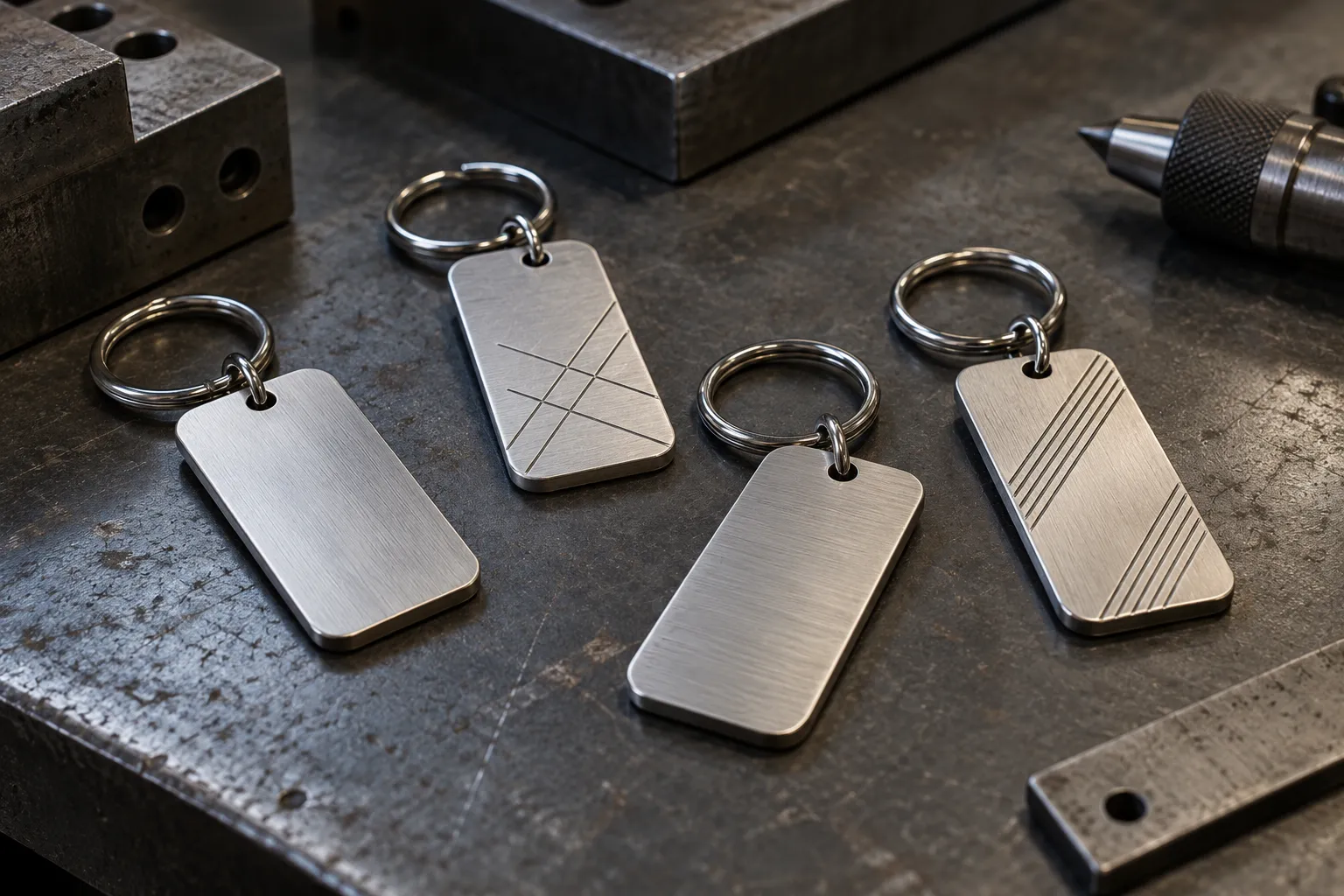
A graphic that looks clear on screen may lose detail when scaled onto a small part. Variable serial data, QR content and repeat positioning also need to be specified before production.
Practical checks
- Send vector artwork where available and identify the true marking size.
- Confirm material, finish and the allowed marking location.
- Provide exact text or variable data in a controlled format.
- Approve a representative sample for contrast, position and readability.
Record the finding against the actual part, machine or drawing revision. A useful check identifies both the observation and the conditions under which it was made, so another person can review it.
Common mistakes to avoid
- Do not assume a decorative QR pattern contains a valid destination.
- Do not approve a mark from an enlarged screen image alone when it must be read at actual size.
What to collect before a review
- Artwork or exact text
- Material and finish
- Marking dimensions, quantity and readability needs
Send clear original files where available. Mark uncertain dimensions, missing information and the result you need. Separate confirmed requirements from assumptions instead of filling the gaps with guessed specifications.
The next decision
Agree sample approval before repeat marking. If a code must be machine-readable, define how it will be checked on the actual substrate after marking.
Discuss this requirement
Crecer Grande can review the information you already have and confirm the feasible scope, evidence needed and commercial next step.
Send your requirement → Browse the libraryGeneral engineering guidance; equipment instructions and the applicable drawing or specification govern the actual work.