
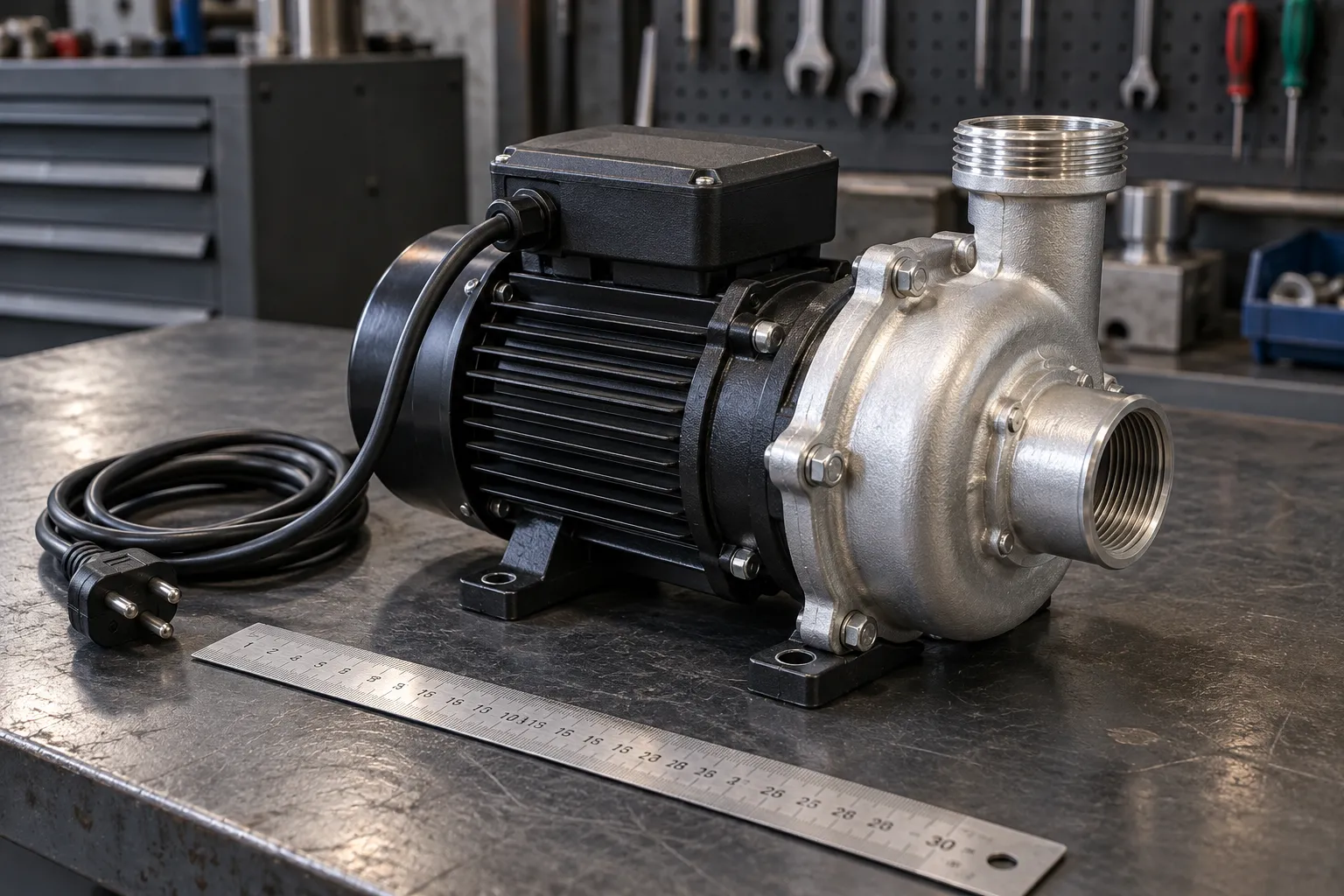
Cavitation depends on pressure conditions at the pump inlet and the liquid properties. Changes in fluid temperature, tank level, suction restriction or operating flow can matter as much as the pump itself.
Practical checks
- Record flow, pressure, fluid temperature and when the noise occurs.
- Check suction levels, strainers, valve positions and visible leaks using safe procedures.
- Compare the operating point with the pump curve and installation requirements.
- Review vibration, bearing condition and recent changes before choosing a corrective action.
Record the finding against the actual part, machine or drawing revision. A useful check identifies both the observation and the conditions under which it was made, so another person can review it.
Common mistakes to avoid
- Do not run repeated uncontrolled tests on a distressed pump.
- A larger motor or higher-flow pump does not automatically solve a suction-side problem.
What to collect before a review
- Pump model and curve
- Operating readings
- Suction arrangement and fluid information
Send clear original files where available. Mark uncertain dimensions, missing information and the result you need. Separate confirmed requirements from assumptions instead of filling the gaps with guessed specifications.
The next decision
Use the evidence to separate hydraulic, mechanical and installation causes. Any assessment of available suction head or process changes needs the actual installation data and competent review.
Discuss this requirement
Crecer Grande can review the information you already have and confirm the feasible scope, evidence needed and commercial next step.
Send your requirement → Browse the libraryGeneral engineering guidance; equipment instructions and the applicable drawing or specification govern the actual work.