
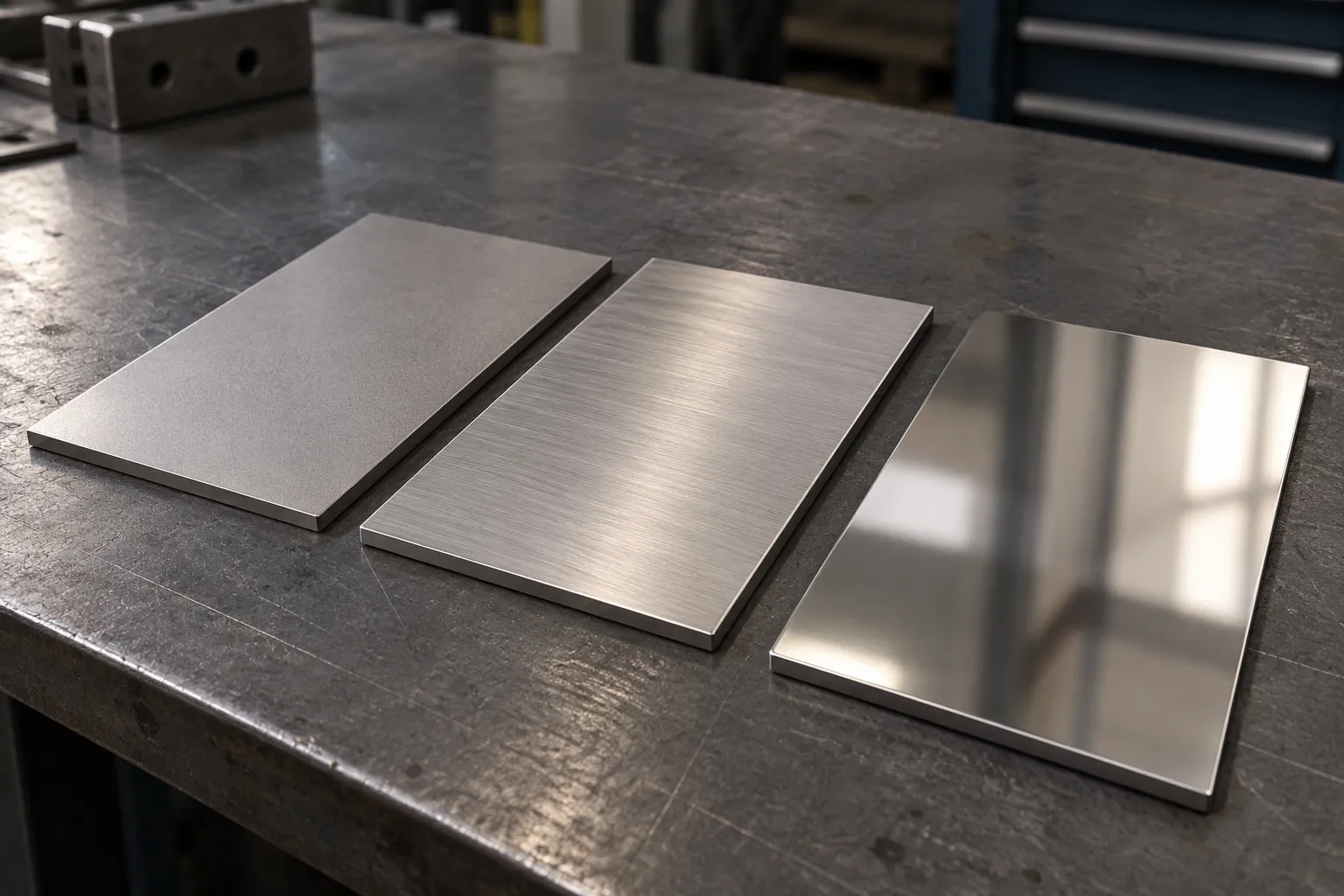
Roughness, lay, coating and visual texture describe different properties. A low roughness value alone does not guarantee a suitable sealing face or an acceptable cosmetic appearance.
Practical checks
- Identify the function of each controlled surface.
- Specify measurable roughness or coating requirements where needed.
- Use an agreed sample or viewing condition for cosmetic expectations.
- Review how finishing affects dimensions, edges and material compatibility.
Record the finding against the actual part, machine or drawing revision. A useful check identifies both the observation and the conditions under which it was made, so another person can review it.
Common mistakes to avoid
- Do not use a photograph as the only specification for a functional surface.
- Do not apply a finish requirement to every surface when only a few features need it.
What to collect before a review
- Drawing with controlled surfaces
- Service environment
- Functional and cosmetic acceptance needs
Send clear original files where available. Mark uncertain dimensions, missing information and the result you need. Separate confirmed requirements from assumptions instead of filling the gaps with guessed specifications.
The next decision
Choose the process and inspection method together. If coating or polishing changes a critical size, include the final finished dimension in the acceptance plan.
Discuss this requirement
Crecer Grande can review the information you already have and confirm the feasible scope, evidence needed and commercial next step.
Send your requirement → Browse the libraryGeneral engineering guidance; equipment instructions and the applicable drawing or specification govern the actual work.