Division 03 • Industrial Machine Maintenance

Fix the failure mechanism, not only the symptom.

Breakdown assessment, restoration planning, preventive-maintenance structure and consumable monitoring for industrial machines and supporting systems.

BreakdownFault evidence & containment
RestorePractical recovery route
PMInspection & maintenance structure
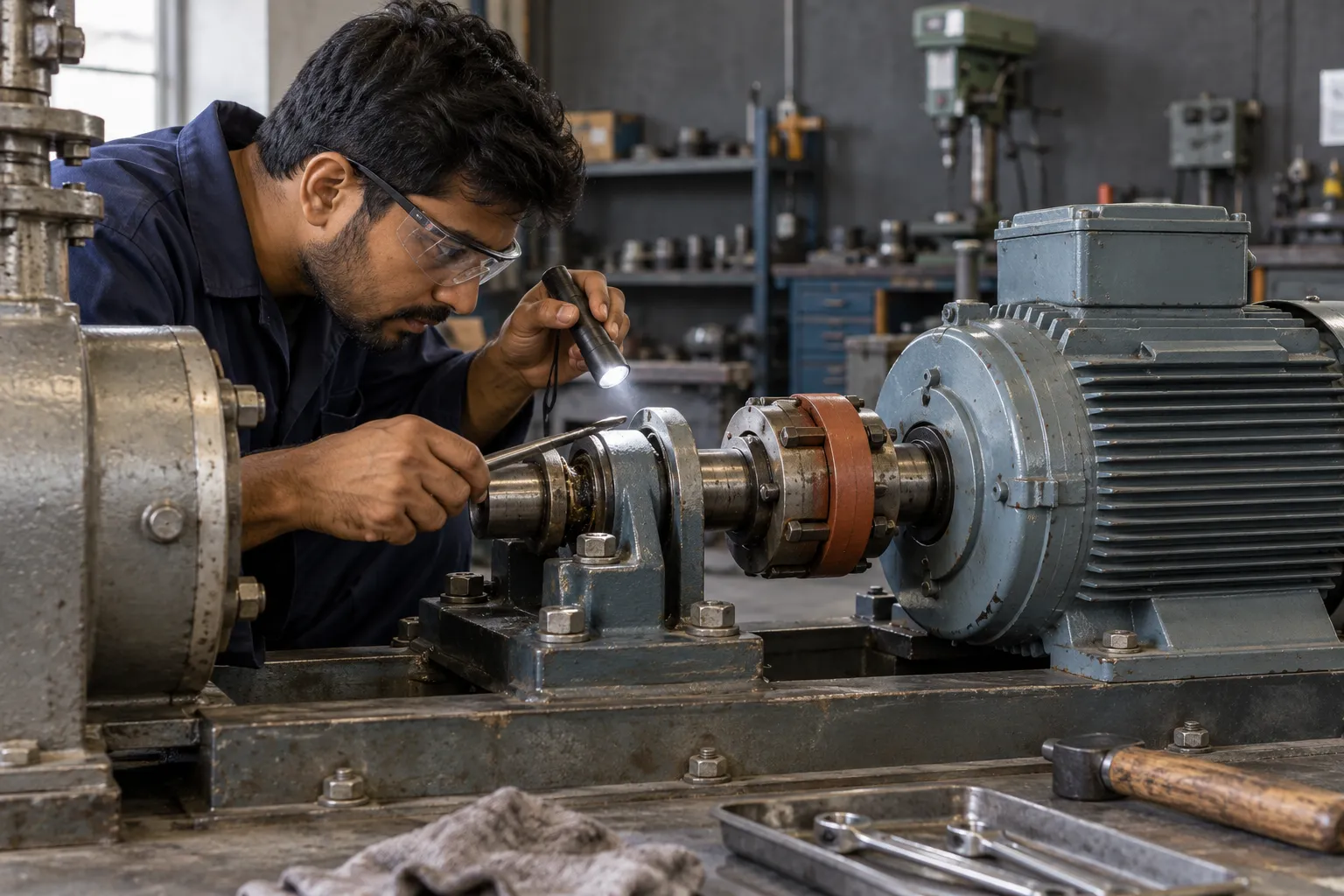
Technician inspecting a stationary motor coupling and bearing housing
What we deliver · Services · Focused routes

A machine problem should end with a defined action path—not a collection of guesses.

This division structures breakdown, preventive-maintenance and restoration work around symptoms, evidence, machine history and the actual operating condition.

What we deliver

Concrete outputs from this division

01Breakdown assessmentA structured understanding of symptoms, alarms and likely technical route.
02Restoration action planPrioritised checks, parts, service actions and dependencies.
03Preventive-maintenance inputsChecklists, inspection points and practical maintenance routines.
04Spare / consumable requirementIdentification of parts or consumables that need verification or replacement.
05RCA support evidenceFacts, observations and failure information for root-cause work.
06Maintenance reportDocumented observations, actions and recommended next steps.
Services we provide

Scope that can be combined around the requirement

Breakdown troubleshooting supportPreventive maintenance supportCNC / VMC machine supportFiber-laser machine supportConsumable inspectionMachine condition reviewSpare identificationMaintenance schedule inputsTechnical service coordinationRCA support for repeat failures

Start with the drawing, part, machine, document or outcome you already have. We will help define the correct route and the missing information.

Discuss this requirement →
Evidence-led maintenanceMachine history, alarms, condition and recent interventions matter.
Maintenance beyond emergency repair

A machine can restart and still have the same failure waiting to return.

We separate the symptom from the mechanism behind it. The useful questions are what changed, what failed first, which condition is abnormal and what evidence supports the proposed action.

This helps structure breakdown response, restoration planning and the preventive checks needed after the machine returns to service.

Maintenance capability

Support across breakdown, recovery and prevention.

The exact scope depends on machine condition, available evidence and whether the requirement is diagnosis, restoration or preventive control.

01

Breakdown Assessment

Review symptoms, alarms, operating conditions, recent work and failure sequence.

02

Restoration Planning

Structure the mechanical, electrical, control or consumable actions needed for recovery.

03

Preventive Maintenance

Build checks around the machine, duty cycle, failure history and critical wear points.

04

Consumable Monitoring

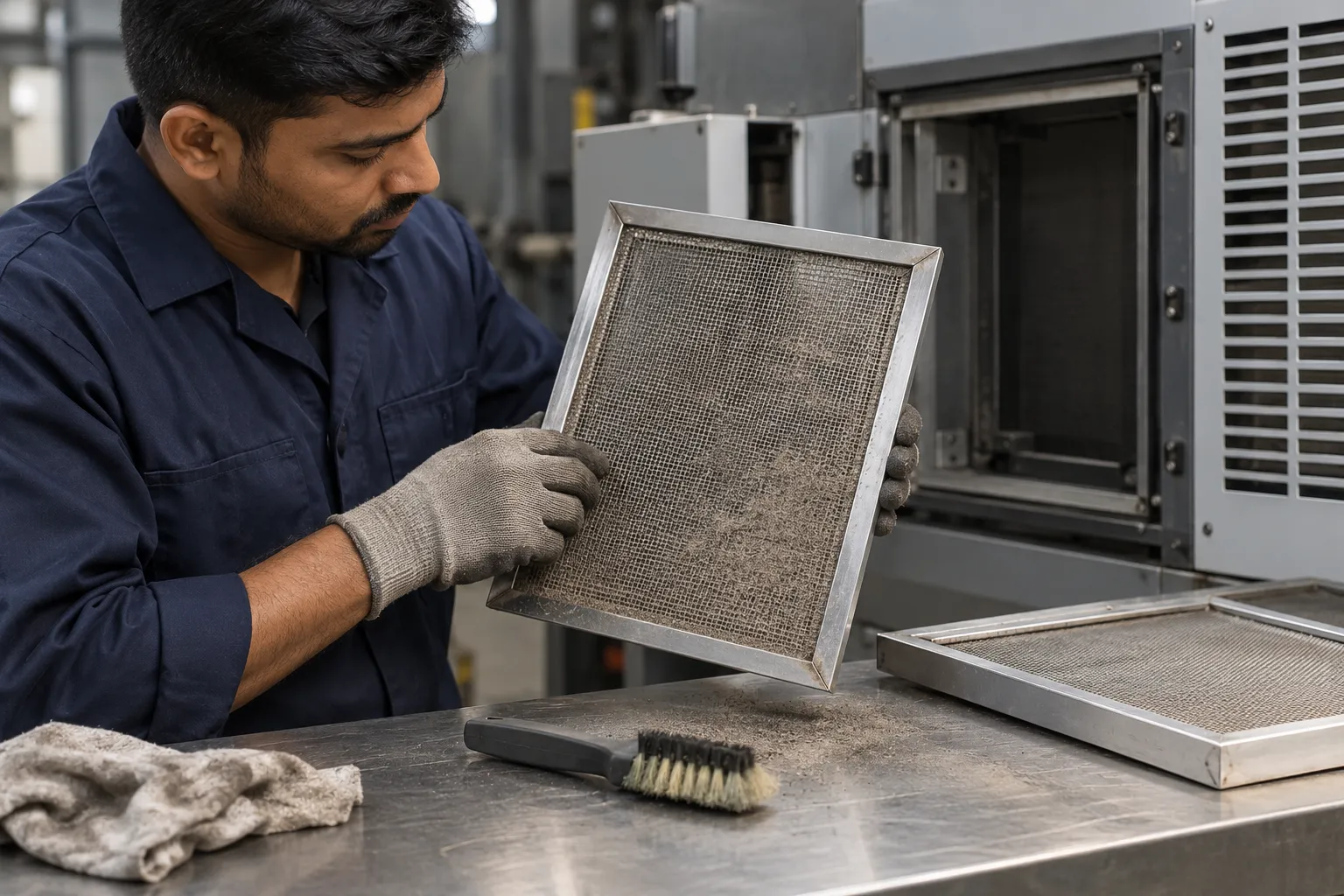
Track optics, filters, pumps, nozzles, bearings, lubrication and utility conditions.

05

Failure RCA Support

Separate containment, potential causes, verified cause and corrective action.

06

Maintenance Documentation

Create practical inspection, maintenance and follow-up records for repeatable execution.

Typical maintenance evidence

Look at the whole machine-support system.

A fault may come from optics, centering, cooling, gas, motion, contamination, settings or an earlier intervention.

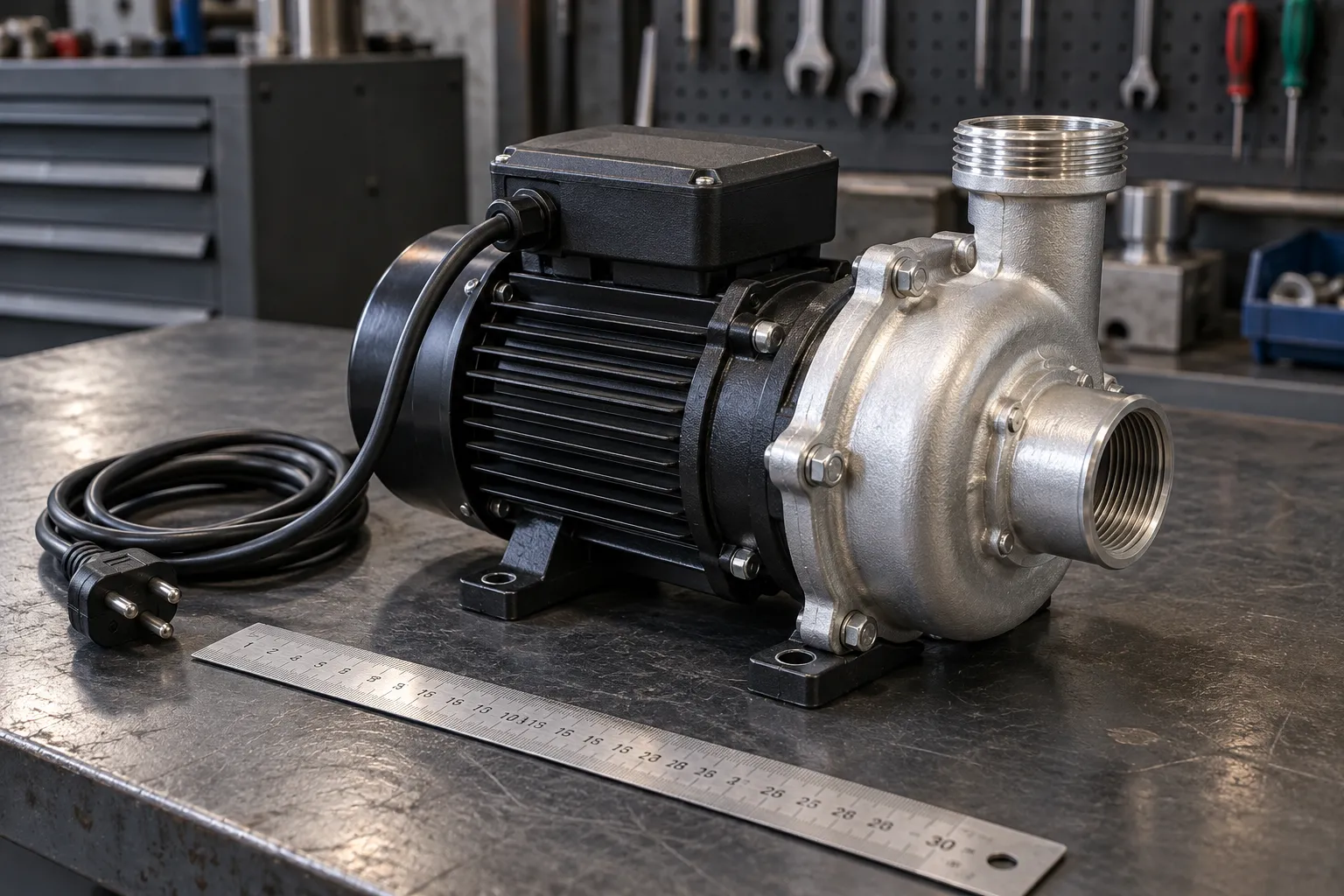
Unbranded circulation pump showing ports, mounting feet and electrical cable
Chiller pump compatibility
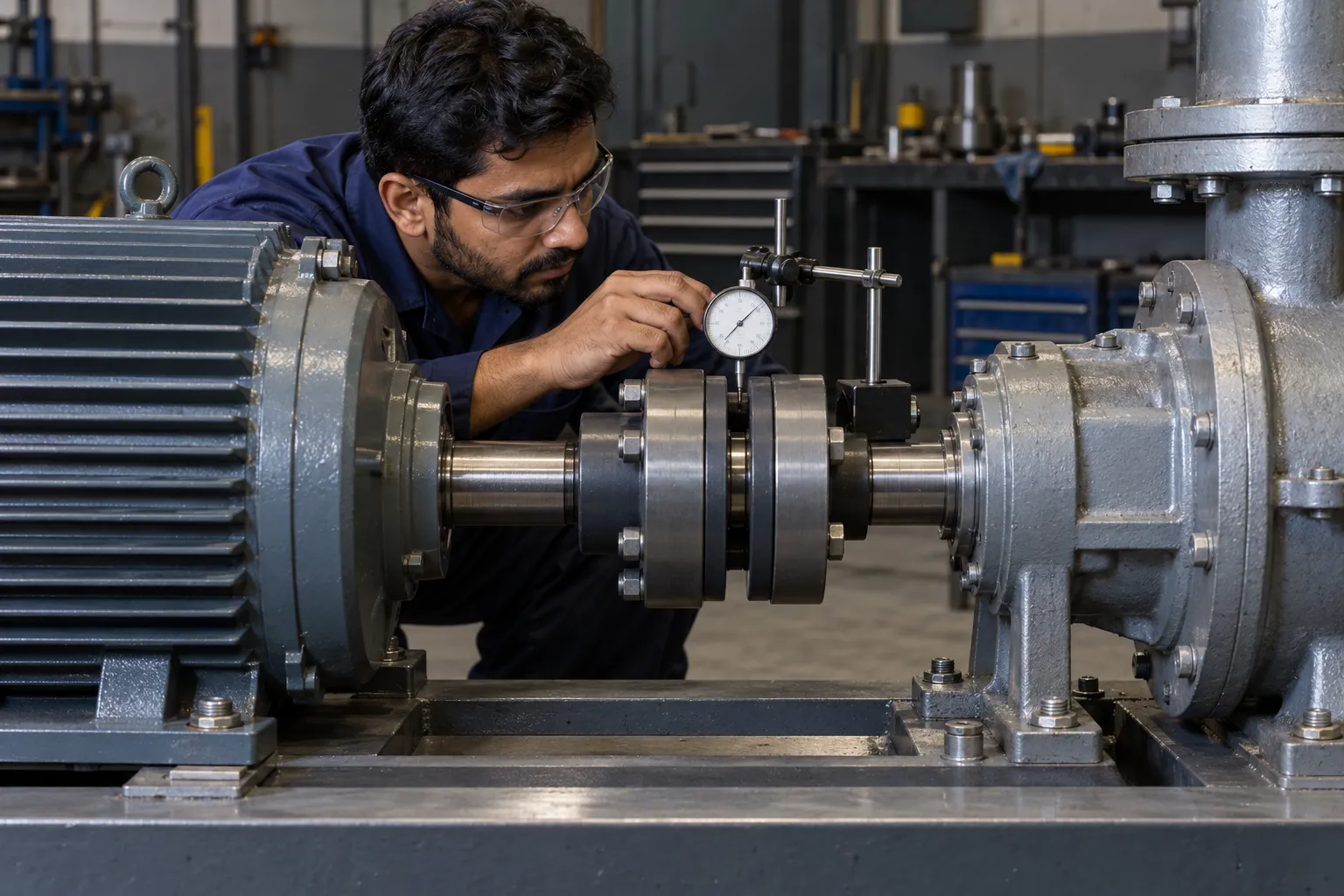
Technician checking a stationary shaft coupling with a dial indicator
Coupling alignment inspection
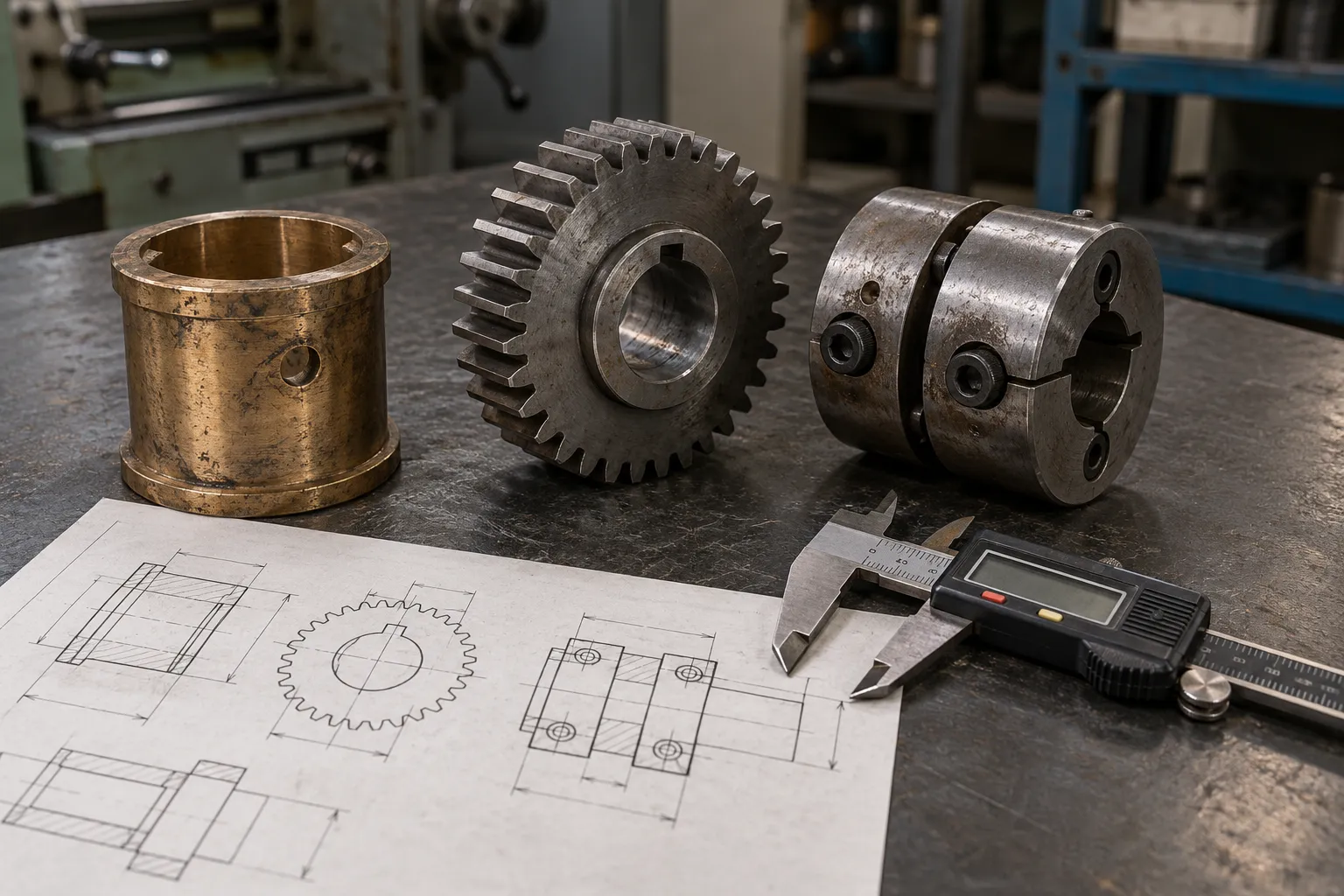
Worn bushing, gear and coupling arranged with a caliper for identification
Industrial spare identification
Practical fault-review sequence

Evidence first. Mechanism second. Action third.

Replacing a part too early can hide the real cause. A structured sequence reduces guesswork and repeated breakdowns.

01

Define the symptom

When did it start, under what condition, and what changed before the failure appeared?

02

Check machine condition

Review alarms, temperature, contamination, alignment, utilities, consumables and history.

03

Verify the likely mechanism

Use measurements, inspection or repeatable evidence before confirming the cause.

04

Restore and prevent recurrence

Complete corrective action, then define the inspection or PM control that reduces recurrence risk.

Preventive controlTurn recurring checks into an actual maintenance routine.
Preventive maintenance structure

The checklist should reflect the machine, not a generic template.

Daily cleanliness and operator checksConsumable condition and replacement criteriaCooling, lubrication and utility checksElectrical, sensor and control-panel inspectionMechanical movement, alignment and wear pointsMaintenance records and escalation triggers

Preventive maintenance checks

What to send us

Start with the machine evidence.

  • Machine make, model and nameplate
  • Alarm codes, screenshots and fault sequence
  • Photos or video of the condition
  • Recent repairs or maintenance activity
  • Operating material / process / load details
  • Any replaced part or suspected component
What you can expect

A usable maintenance path.

  • Structured initial fault-review route
  • Evidence gaps to confirm before action
  • Restoration or replacement planning
  • Preventive-maintenance recommendations
  • Consumable / inspection checkpoints
  • Follow-up actions and escalation criteria
Machine down, unstable or repeatedly failing?

Send the fault evidence before more parts are changed.

Share the machine model, alarm, condition, photographs and recent intervention history. We will structure the practical next checks and restoration route.