
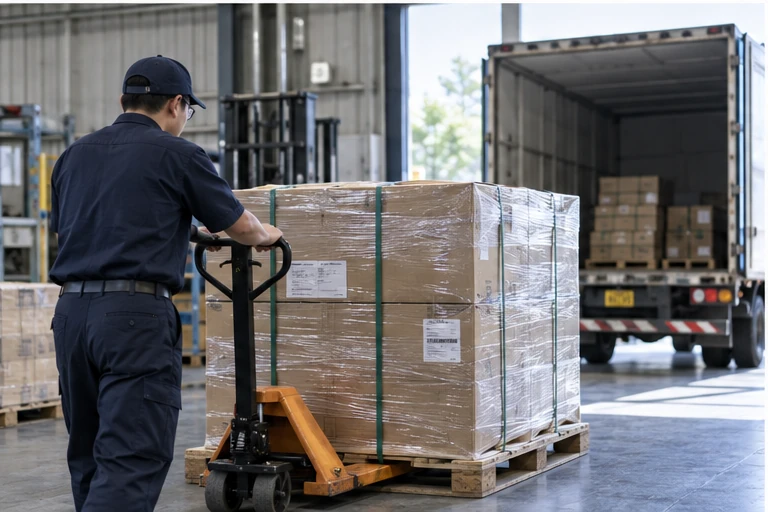
Keep stainless steel clean, dry and physically separated from carbon steel. Surface contamination and scratches can damage appearance and contribute to rust staining or corrosion problems.
Why handling matters
Stainless steel depends on its surface condition for corrosion resistance. Damage and contamination introduced during storage or fabrication can turn a good material into a poor finished product.
Segregate from carbon steel
Outokumpu recommends avoiding contamination by keeping stainless products separated from carbon steel and other metals. Embedded carbon-steel particles can later appear as rust stains.
Use dedicated contact surfaces
- Use clean slings, gloves and lifting devices.
- Avoid dragging sheets across dirty racks or floors.
- Where practical, dedicate brushes, grinding media and work surfaces to stainless.
- Protect finished or decorative surfaces with suitable film or clean separators.
Storage
Store sheets on clean, dry supports with adequate protection from water, dirt and falling grinding debris. Keep different alloys/finishes identified to avoid mix-ups. Do not stack in a way that traps abrasive particles between sheets.
During fabrication
Prevent contact with paint, oil, grease, low-melting metals and carbon-steel debris, especially if the part will later be welded or heat treated. Use tools and consumables appropriate for stainless processing.
Before dispatch
Inspect for scratches, handling marks, trapped debris, labeling and protective film condition. Pack parts so metal-to-metal movement during transport does not damage the finish.
This article is general guidance for preliminary engineering and shop-floor understanding. The drawing, applicable standard, machine/tooling OEM instructions, process-specific safety requirements and qualified engineering judgment take priority.